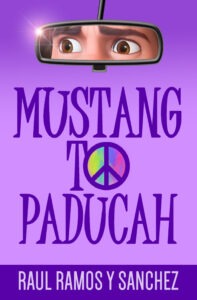
MUSTANG TO PADUCAH After stumbling onto a multiple murder on a road trip, two spaced-out hippies become the prime suspects. LEARN MORE
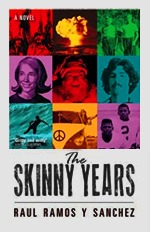
THE SKINNY YEARS The quirky travails of young Victor “Skinny” Delgado and his Cuban-exile family in Miami during the 1960s. LEARN MORE
KING ROBIN A new genre. A new pen name. He robbed the rich and gave to the poor… until he became king. LEARN MORE
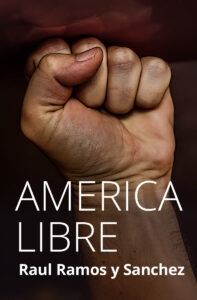
AMERICA LIBRE Class H Trilogy I In a near-future U.S. torn by an ethnic civil war, ex-GI Mano Suarez must decide his loyalty to his country—and his wife. LEARN MORE
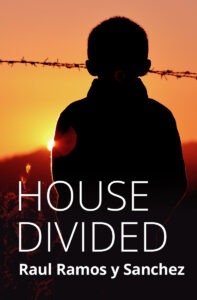
HOUSE DIVIDED Class H Trilogy II The bitter ethnic conflict that divided a nation in America Libre now threatens to destroy the war-weary Suarez family. LEARN MORE
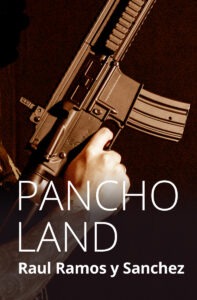
PANCHO LAND Class H Trilogy III The Suarez family saga reaches the third generation as the ethnic conflict brings the entire world to the brink of war. LEARN MORE